Inspection and Testing Services

Special Inspection and Progress Inspections (TR1 and TR8)

Special inspections are now mandatory as a part of any construction project. It can be a new construction, repair or upgrade work too. The nature of the project decides the types of special inspection you will need.

The Department of Buildings (DOB) requires property owners to carry out special inspections for safety. New York Engineers is a certified special inspection agency helping clients meet the construction codes laid down by the DOB.

The sole purpose of special inspection is to guarantee the safety of any building. Special inspections evaluate various aspects of your building like mechanical systems, structural integrity, insulation. The findings help you take remedial actions for any deviations from building codes and design.

The New York City DOB made the special inspections requirement tighter in 2012. Now you must assign a special inspection agency to carry out a comprehensive special inspection program. We are registered with the DOB and have qualified inspectors ready to take on projects of all sizes.

Our dedicated special inspectors carry out special inspections throughout the construction process. The findings of the inspections ensure that all work is done according to approved plans and specifications. You can also expect your project to meet all the New York City Building Code standards.

Feasibility studies

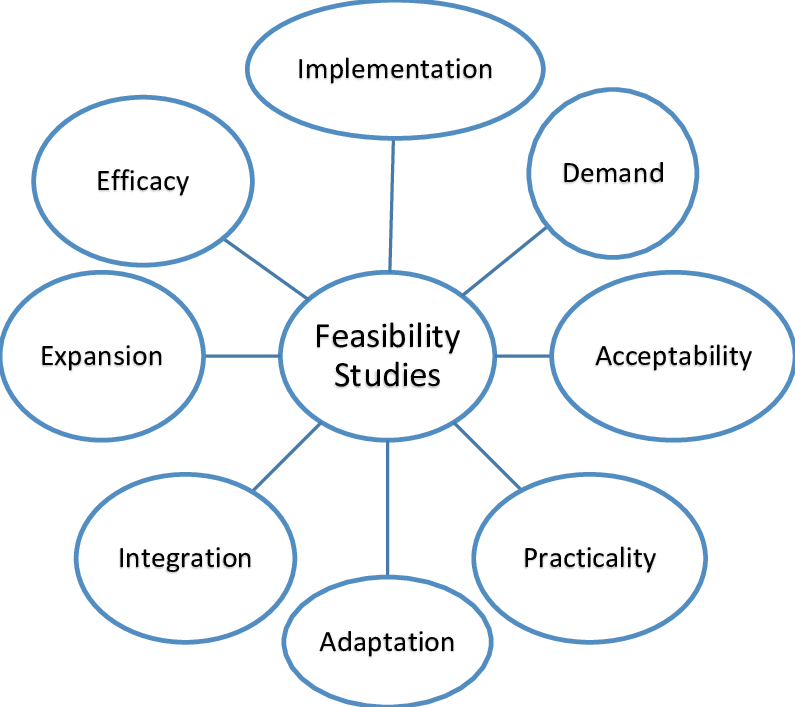
A feasibility study is a preliminary exploration of a proposed project or undertaking to determine its merits and viability. A feasibility study aims to provide an independent assessment that examines all aspects of a proposed project, including technical, economic, financial, legal, and environmental considerations. This information then helps decision-makers determine whether or not to proceed with the project.

The feasibility study results can also be used to create a realistic project plan and budget. Without a feasibility study, it cannot be easy to know whether or not a proposed project is worth pursuing.

A feasibility analysis evaluates the project’s potential for success; therefore, perceived objectivity is an essential factor in the credibility of the study for potential investors and lending institutions. There are five types of feasibility study—separate areas that a feasibility study examines, described below.

1. Technical Feasibility

2. Economic Feasibility

3. Legal Feasibility

4. Operational Feasibility

5. Scheduling Feasibility

Targeted energy performance assessments

Energy assessment means a determination of an energy user's energy consumption level, relative efficiency compared to other users, and opportunities to achieve greater efficiency or improve energy resource utilization.

Existing buildings are likely to consume more energy and emit more greenhouse gases than new buildings because of inevitable deteriorations in physical performance. Accordingly, retrofitting of existing buildings is considered essential to reduce energy consumption and greenhouse gas emissions from the building sector. However, assessing the energy performance of existing buildings accurately has limitations because building materials undergo physical deterioration and the actual operational conditions differ from as-built documentation. There is also a difference in the level of data acquisition required for building energy performance assessment depending on the conditions of the building. The aim of this paper is to present types of methods for energy performance assessment of existing buildings considering this data acquisition level. We analyzed various assessment methods, which were classified into three prototypes of methods according to the required level of data acquisition. Type 1 assessed the target building based on literature sources. Type 2 conducted on-site audit and assessed the target building based on additional collected data. Type 3 assessed the target building by further estimating the building properties through analysis of the measured energy data.

Construction Administration

Construction management involves planning, budgeting, coordinating, and supervising construction projects from start to finish. As a construction manager, you may work on various construction projects, including buildings, roads, bridges, and other structures.

Construction management can be rewarding if you enjoy design, seeing a project grow from beginning to end, and the prospect of partnering with builders, designers, and clients throughout the construction lifecycle process.

Here are some core responsibilities found in construction manager roles:

Cost management: Maintain awareness of all costs associated with a project; budget management; anticipate any changes to project scope that could impact cost. 

Contract administration: Create contracts for subcontractors and suppliers; manage payments to contractors; source materials and suppliers.

Health and safety management: Ensure everyone on-site follows health and safety regulations; prepare health and safety documentation; implement suitable protocols for ongoing practices and regular monitoring.

Quality management: Deliver projects that meet clients' specifications; ensure all work complies with quality standards; facilitate regular checks throughout the project lifecycle.

Third-party peer reviews

The peer review system, including the various types of peer review, is an important part of the academic publishing process. The main aim of the academic peer review process is to assess the quality of scholarly research and evaluate its suitability for publication in a particular journal. The different types of peer reviews are key to ensuring only the highest-quality research is published. Reviewers are required to offer relevant domain-related insights and feedback to help authors correct errors and address any gaps or missing information in order to improve their work. 

Types of peer review in academic publishing

  • Single-blind peer reviews
  • Double-blind peer reviews
  • Open peer reviews
  • Transparent peer reviews
  • Triple-blind peer reviews

Third-party peer reviews: In third-party peer reviews, authors engage with independent reviewers and make necessary manuscript edits based on their feedback before submitting to journals. While this type of peer review may help decrease the chances of desk rejection, it could at times prove ineffective – especially if the peer reviewers are not aware of the target journal’s scope.